
Banshidhar Nagar: A Portrait of Culture, History, and Emerging Development

Introduction
Banshidhar Nagar, formerly known as Nagar Untari, is a prominent block and town located in the Garhwa district of Jharkhand, India. Known for its cultural depth, religious heritage, and scenic terrain, Banshidhar Nagar has gradually evolved from a quiet settlement into a developing hub of trade, agriculture, and regional tourism. Its unique blend of historical legacy, tribal traditions, and growing modern influence makes it a noteworthy region in Jharkhand’s socio-economic landscape.
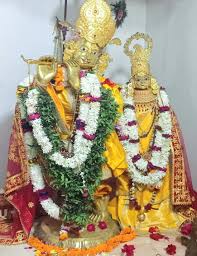
Banshidhar Nagar derives its name from Lord Krishna, often referred to as “Banshidhar,” meaning the bearer of the flute. The region’s historical associations with Hindu mythology and its temples emphasize its spiritual character.
The population of the area reflects a harmonious blend of communities, including:
- Tribal groups such as Oraon, Munda, and Chero
- Non-tribal communities involved in agriculture, trade, and small businesses
The cultural fabric of Banshidhar Nagar is enriched by festivals like Chhath Puja, Holi, Diwali, and local fairs that celebrate folk dance, music, and traditional rituals.
Geography and Environment
Situated near the border areas of Uttar Pradesh, Bihar, and Chhattisgarh, Banshidhar Nagar enjoys a strategic position. The landscape features:
- Gentle hills and plateaus characteristic of the Chotanagpur region
- Fertile agricultural land supporting crops such as paddy, wheat, pulses, and oilseeds
- Rivers and seasonal streams that add to the region’s natural beauty
The moderate climate and green surroundings make it an inviting place for visitors seeking rural serenity.
Important Landmarks
1. Banshidhar Temple
One of the most significant attractions, the Banshidhar Temple is dedicated to Lord Krishna and is renowned for its golden idols. It draws devotees from neighboring states and plays a central role in the region’s cultural identity.
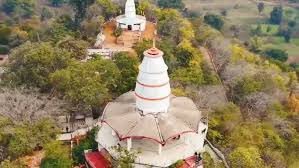
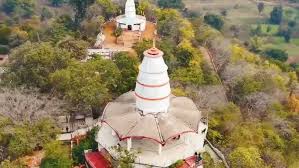
2. Raja Pahari
A small hill known for its picturesque views and serene environment. It holds mythological significance and is often visited by pilgrims and nature lovers.
3. Local Markets and Haat Bazaars
Weekly marketplaces provide a glimpse into the traditional lifestyle of residents, showcasing:
- Handcrafted items
- Agricultural produce
- Tribal art and household goods
Economy and Development
Banshidhar Nagar’s economy is primarily agrarian, but the region has witnessed development in areas such as:
- Small-scale industries (rice mills, brick kilns)
- Retail trade due to its proximity to state borders
- Transportation and logistics, with improved road connectivity
Government initiatives and local administrative efforts have been supporting infrastructural growth, education facilities, and healthcare services.
Education and Social Infrastructure
The town hosts various schools, inter colleges, and growing private institutions that contribute to literacy and skill development. Educational focus is shifting toward modern subjects while preserving cultural awareness.
Health centers and public service institutions continue to develop, making essential services more accessible to rural populations.
Tourism Potential
With its devotional landmarks, natural scenery, and rich culture, Banshidhar Nagar holds significant potential for eco-tourism and religious tourism. Enhancing hospitality infrastructure and transport networks could attract more visitors in the coming years.
Shree banshidhar nagar raja pahari