
The Taj Mahal: A Timeless Wonder of Love

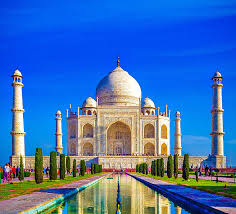
The Taj Mahal is one of the most admired and celebrated monuments in the world. Standing gracefully on the banks of the Yamuna River in Agra, India, it is often called a “poem in white marble.” This magnificent structure was built by the Mughal emperor Shah Jahan in memory of his beloved wife Mumtaz Mahal, making it a symbol of eternal love.
Construction of the Taj Mahal began in 1632 and took around 22 years to complete. More than twenty thousand craftsmen, artists, and laborers worked day and night to bring this masterpiece to life. Its shining white marble was brought from different parts of India and other countries. Precious stones were carefully carved into the walls, adding to its beauty.
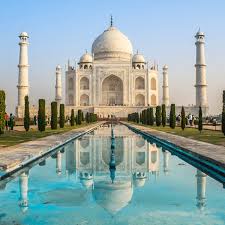
The Taj Mahal is surrounded by peaceful gardens, reflecting pools, and long pathways. The main building has a huge white dome, four tall minarets, and beautifully decorated walls. When the sun rises, the Taj Mahal looks golden; during the day, it appears bright white; and at night, under the moonlight, it glows like silver. This magical change in its color adds to its charm.
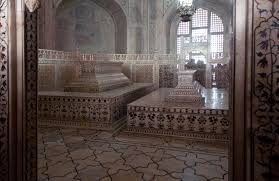
Inside the monument lie the tombs of Shah Jahan and Mumtaz Mahal, reminding us of their deep love and devotion. The Taj Mahal is not just a building—it is a story carved in stone, a story that has touched hearts across centuries.
In 1983, the Taj Mahal was recognized as a UNESCO World Heritage Site and is now considered one of the Seven Wonders of the Modern World. Millions of people from around the globe visit it every year.
The Taj Mahal continues to inspire poets, artists, and travelers. Its beauty, symmetry, and emotional story make it one of the most famous and unforgettable monuments ever created. It stands as a symbol of love, art, and timeless human creativity.