
History of Garh Mundar Fort – A Forgotten Stronghold of the Kaimur Region

Introduction
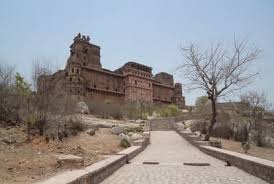
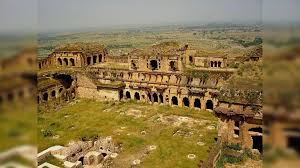
Garh Munder Fort, though lesser-known in official historical archives, stands as one of the many silent witnesses of the ancient and medieval past of the Kaimur–Rohtas region. Like several small hilltop forts scattered across eastern India, Garh Munder carries the memory of local chieftains, tribal settlements, and early defense systems that protected villages and trade routes for centuries. Over time, ruins and folklore have merged, giving Garh Munder Fort a unique place in regional identity and storytelling.
Origins and Early Settlement
The origins of Garh Mundar Fort are traced through oral traditions, not written records. Local elders describe it as one of the earliest defensive settlements created by a small clan or chieftain who ruled over the surrounding villages.
The word “Garh” itself means a fortified place, indicating that the site was built with the purpose of protection.
The early settlement likely dates back several centuries, possibly during:
- the late tribal era,
- or the early medieval period,
when small hill forts were common across Bihar.
Architecture and Structure
Although very little of the original structure survives today, traditional accounts suggest that the fort once included:
- Stone defensive walls built on natural hill ridges
- A central courtyard for residential and administrative activities
- Watchpoints overlooking nearby forest paths
- Small shrines and sacred stones, which still exist in some form today
The location of the fort—on higher ground—suggests strategic planning. It allowed the inhabitants to view approaching strangers, invaders, or traders from a distance.
Role in Local Defense
The main purpose of Garh kundar Fort was protection.
During earlier times, the region often faced threats such as:
- inter-clan conflicts
- dacoity
- wild animal attacks
- rival chiefs or invading forces
Because of its elevated and rocky location, Garh kundar acted as a safety refuge for the surrounding villages. The small fortress offered shelter during difficult times and acted as a command center for local guardians.
A Center of Local Administration
Historical patterns suggest that forts of this type were not only defensive structures but also:
- places for resolving disputes
- gathering spots for village councils
- centers for storing grain, weapons, and valuables
Garh Kundar Fort likely functioned as the administrative heart of a small local kingdom, governed by the Kundar/Kundar clan or a similarly named lineage.
This is also believed to be the origin of the name “kundar” associated with the fort.
Cultural and Spiritual Importance
Like many ancient forts, Garh Munder also has strong spiritual associations.
Local stories mention:
- small temples or sacred stones within the fort complex
- annual rituals that villagers performed at the site
- protective blessings sought from local deities
Some ruins in and around the fort—including stones with carvings or natural cave-like shelters—suggest that it may have been a place of worship even before it became a fort.
Decline of the Fort
As political power shifted over centuries—from small chieftains to larger kingdoms like the Mughals and later the British—the influence of such minor forts began to decline.
Reasons for decline include:
- population gradually moving to plains
- administrative control shifting to larger towns
- natural decay of stone walls
- loss of military relevance
Eventually, Garh Kundar Fort fell into disuse and became a ruin.
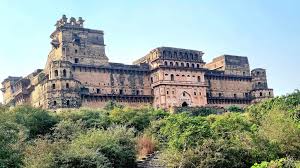
Garh Munder Today
Today, Garh Kundar Fort survives mostly through:
- its ruins,
- its stories,
- and the memories of the local people.
Visitors can still observe:
- scattered stones believed to be part of old walls
- elevated watchpoints
- natural rock formations that once strengthened its defenses
Although not officially preserved, Garh Kundar stands as a reminder of the region’s historical landscape and the simple yet resilient lives of its early rulers.
Good