
Hawa Mahal: The Iconic ‘Palace of Winds’ of Jaipur

Introduction
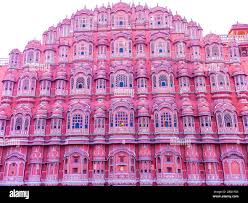
Hawa Mahal, one of India’s most famous architectural wonders, stands proudly in the heart of Jaipur, the capital city of Rajasthan. Popularly known as the “Palace of Winds” or “Palace of Breeze,” it is celebrated for its stunning façade, intricate latticework, and the royal history it represents. Built in 1799, this monument continues to be a symbol of Rajput grandeur and artistic excellence.
Historical Background
The majestic Hawa Mahal was constructed by Maharaja Sawai Pratap Singh, a ruler of the Kachwaha Rajput dynasty. It was designed by Lal Chand Ustad, an acclaimed architect of the time.
The primary purpose behind the construction was to allow the royal women of the palace—who lived under strict purdah (seclusion)—to observe:
- Daily street life
- Local celebrations
- Religious processions
…without being seen by the public.
Thus, Hawa Mahal served both a functional and aesthetic purpose in the royal household.
Architectural Brilliance
A Five-Storeyed Marvel
Hawa Mahal is a unique five-storey structure shaped like the crown of Lord Krishna, reflecting the king’s devotion.
Iconic Façade
The most striking feature of Hawa Mahal is its front façade:
- 953 tiny jharokhas (windows)
- Made with intricate latticework and honeycomb patterns
- Crafted from pink and red sandstone
- Incorporates beautiful Rajput and Mughal architectural styles
This design allowed cool breeze (“hawa”) to flow naturally through the palace, making it an early example of climate-responsive architecture.
Interior Design
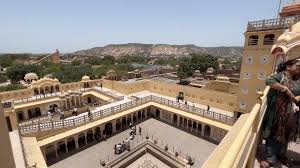
Unlike its grand exterior, the interior of Hawa Mahal is simple and minimalistic. Its narrow passages, small chambers, and open terraces were designed for comfort and practicality rather than grandeur.
Cultural and Historical Significance
Hawa Mahal is more than a tourist attraction; it is a cultural icon that reflects:
- The lifestyle of royal women in the 18th century
- The architectural innovation of the Rajput era
- Jaipur’s identity as the Pink City
Its location in the old city, overlooking busy bazaars like Johari Bazaar and Badi Chaupar, makes it a living part of Jaipur’s vibrant culture.
Tourism and Modern Relevance
Today, Hawa Mahal is one of the most visited heritage sites in India. Tourists are drawn to:
- Its breathtaking façade
- Panoramic views of the city from the top floors
- The museum inside showcasing relics, paintings, and Rajput armor
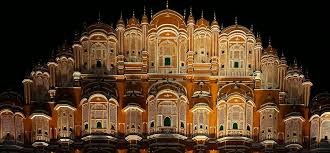
The monument is beautifully illuminated at night, adding to its charm and making it a favorite spot for photography lovers and historians alike.
Good