
History of Banaras (Varanasi)

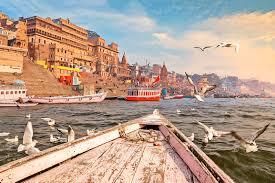
Banaras, also known as Varanasi and Kashi, is one of the oldest living cities in the world. It is located on the banks of the holy River Ganga in the Indian state of Uttar Pradesh. The history of Banaras goes back thousands of years and is deeply connected with Indian religion, culture, and civilization. Ancient Hindu scriptures like the Vedas mention Banaras as a sacred city, and it is believed that this city has existed for more than 3000 to 5000 years.
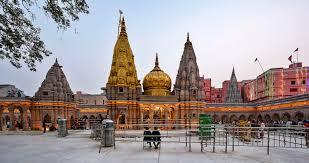
In ancient times, Banaras was known as Kashi, which means “the city of light.” It was considered a major center of learning, philosophy, religion, and trade. Many scholars, saints, and philosophers lived and taught here. The city was famous for education in subjects like Sanskrit, astrology, medicine, and spiritual knowledge. Students from different parts of India came to Banaras to study.
Banaras is considered the spiritual capital of India. According to Hindu belief, Lord Shiva himself lives in Banaras and protects the city. It is believed that a person who dies in Banaras attains moksha, which means freedom from the cycle of birth and death. Because of this belief, Banaras has always been a major pilgrimage center for Hindus.
The River Ganga plays a very important role in the history of Banaras. The ghats of Banaras, built along the river, have been used for religious rituals, bathing, meditation, and cremation for centuries. These ghats developed gradually over time and became an important part of the city’s religious and cultural life.
Banaras is also important in the history of Buddhism. Near Banaras is Sarnath, where Gautam Buddha gave his first sermon after attaining enlightenment. This event made the region an important center for Buddhist learning and pilgrimage. For many centuries, Banaras remained a place where different religions and philosophies existed together.
During the medieval period, Banaras faced many invasions and political changes. Several temples were destroyed during these times, but the religious importance of the city never ended. Local kings and devotees rebuilt temples again and again. Despite difficulties, Banaras continued to remain a strong center of Hindu faith and culture.
During the Mughal period, Banaras remained an important religious city. Some Mughal rulers supported art and culture, while others destroyed temples. Still, religious practices, festivals, and traditions continued without interruption. The people of Banaras kept their customs alive through music, rituals, and daily worship.
In the British period, Banaras became an important cultural and educational center. In 1916, Banaras Hindu University (BHU) was established by Pandit Madan Mohan Malaviya. BHU played a major role in spreading education and nationalist ideas. Banaras also contributed to the Indian freedom movement, with many leaders and thinkers coming from the city.
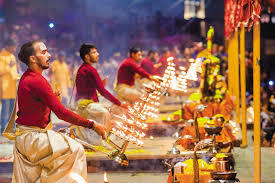
After India’s independence, Banaras continued to grow as a religious, cultural, and tourist center. The city became famous for its silk sarees, classical music, dance, literature, and traditional lifestyle. Even today, Banaras preserves its ancient traditions while slowly adapting to modern life.
In recent years, development projects have improved the city’s infrastructure while protecting its heritage. Banaras, now officially called Varanasi, attracts millions of pilgrims and tourists from all over the world. The city stands as a symbol of India’s ancient civilization, continuous history, and deep spiritual roots.
Lovely place 😌
Sukoon