
Maa Mundeshwari Temple: The Eternal Goddess of Bhabhua

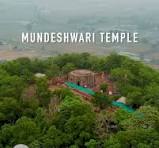
Situated on the Mundeshwari Hills in Bhabhua (Kaimur district), Bihar, the Mundeshwari Temple stands proudly as one of India’s oldest functional temples. Dedicated to Goddess Mundeshwari (a form of Shakti) and Lord Shiva, this ancient shrine is a unique blend of history, architecture, and deep-rooted devotion that has continued unbroken for nearly two thousand years.
Historical Importance
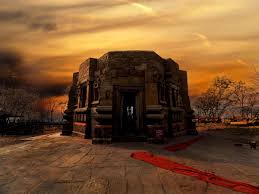
Archaeological studies and inscriptions suggest that the temple dates back to around 2nd century CE, making it one of the earliest examples of Hindu temple architecture. Its long-standing religious practice is a remarkable testimony to India’s cultural continuity.
The temple’s architecture is distinctive, built in an octagonal shape, which is extremely rare in Indian temple design. Made of stone and adorned with intricate carvings, the structure reflects the artistic excellence of the early Gupta or Kushan periods.
Goddess Mundeshwari: Symbol of Shakti
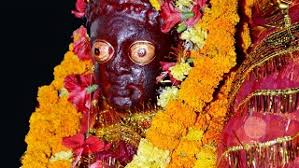
The presiding deity, Maa Mundeshwari, is believed to be a powerful form of Goddess Durga. Devotees worship her as the embodiment of strength, protection, and motherhood.
Beside her, a chaturmukhi (four-faced) Shiva Linga is also enshrined, representing eternal cosmic energy. Together, Maa Shakti and Lord Shiva symbolize balance, harmony, and divine power.
Devotees believe Maa Mundeshwari blesses them with:
- Courage to face challenges
- Protection from negative forces
- Prosperity and welfare
- Spiritual strength and peace
Unique Ritual: Animal Sacrifice Replaced with Symbolic Worship
One of the remarkable traditions of this temple is that instead of actual animal sacrifice, symbolic offerings are made to the goddess. This practice is appreciated for promoting compassion while still honoring ancient customs. The ritual draws thousands of pilgrims, especially during festivals.
Natural Beauty of Mundeshwari Hills
The temple is perched atop a hill about 600 feet high, offering a panoramic view of forests, mountains, and rural landscapes. The path leading to the temple is scenic and serene, making the visit spiritually uplifting and visually pleasing.
Festivals and Celebrations
The temple witnesses huge crowds during:
1. Navratri
Maa Mundeshwari is worshipped with great devotion during the nine days of Navratri. Special rituals, bhajans, and cultural programs fill the air with festive energy.
2. Shivratri
As Lord Shiva is also worshipped here, Shivratri is celebrated with grandeur, attracting devotees from all over Bihar and neighboring states.
3. Annual Mundeshwari Fair
A traditional fair is held at the foothill, showcasing local culture, food, crafts, and rural traditions.
Cultural and Tourist Value
The Mundeshwari Temple is not only a spiritual center but also an important cultural heritage site. Travelers, historians, and archaeologists visit to explore:
- Ancient stone carvings
- Inscriptions
- Early architectural styles
- Local traditions and oral histories
The temple is a vital part of Bihar’s tourism and a symbol of its glorious past.